
Glomerular and Tubular Diseases
Glomerular and Tubular Diseases
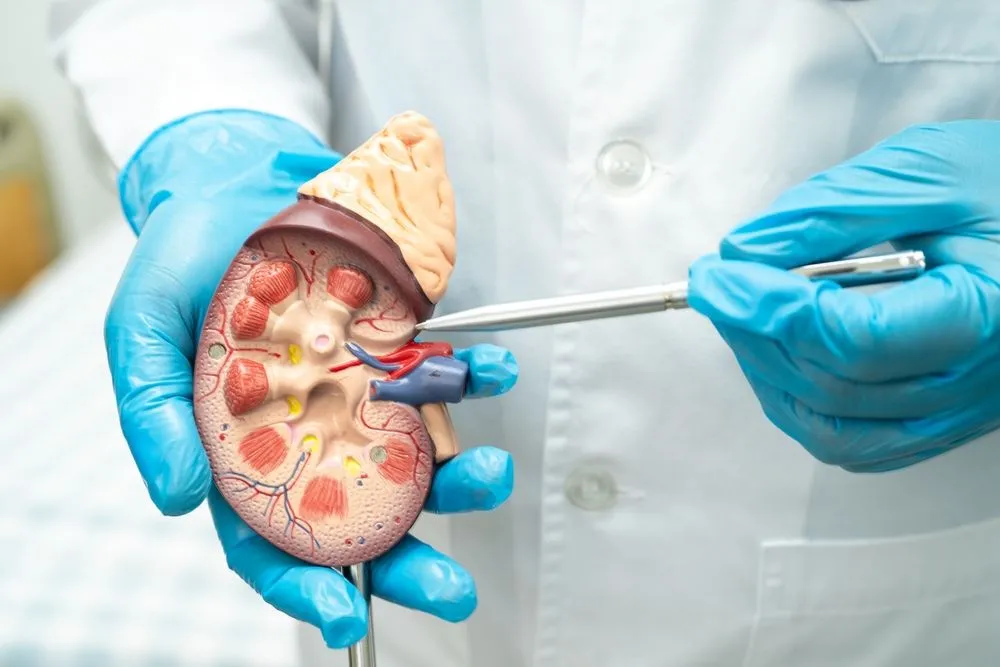
Glomerular and tubular diseases affect the microscopic structures within the kidneys responsible for filtering blood and forming urine. The glomeruli act as tiny filtering units, while the tubules help reabsorb essential substances and eliminate waste. Damage to these structures can impair kidney function and lead to symptoms such as swelling, blood in urine, protein loss, high blood pressure, and reduced kidney performance.
Common glomerular conditions include glomerulonephritis, nephrotic syndrome, and IgA nephropathy, while tubular disorders may involve electrolyte handling abnormalities or inherited conditions. These diseases may result from autoimmune disorders, infections, genetic factors, or systemic illnesses. Early diagnosis is essential and may involve blood tests, urine analysis, imaging studies, and sometimes a kidney biopsy for accurate evaluation.
Treatment depends on the specific diagnosis and severity. It may include immunosuppressive medications, steroids, blood pressure control, dietary modifications, and supportive therapy to reduce protein loss and inflammation. Close monitoring helps track response to treatment and prevent progression to chronic kidney disease. With specialized nephrology care, many patients can achieve symptom control and preserve kidney function.