
Chronic Kidney Disease (CKD)
Chronic Kidney Disease (CKD)
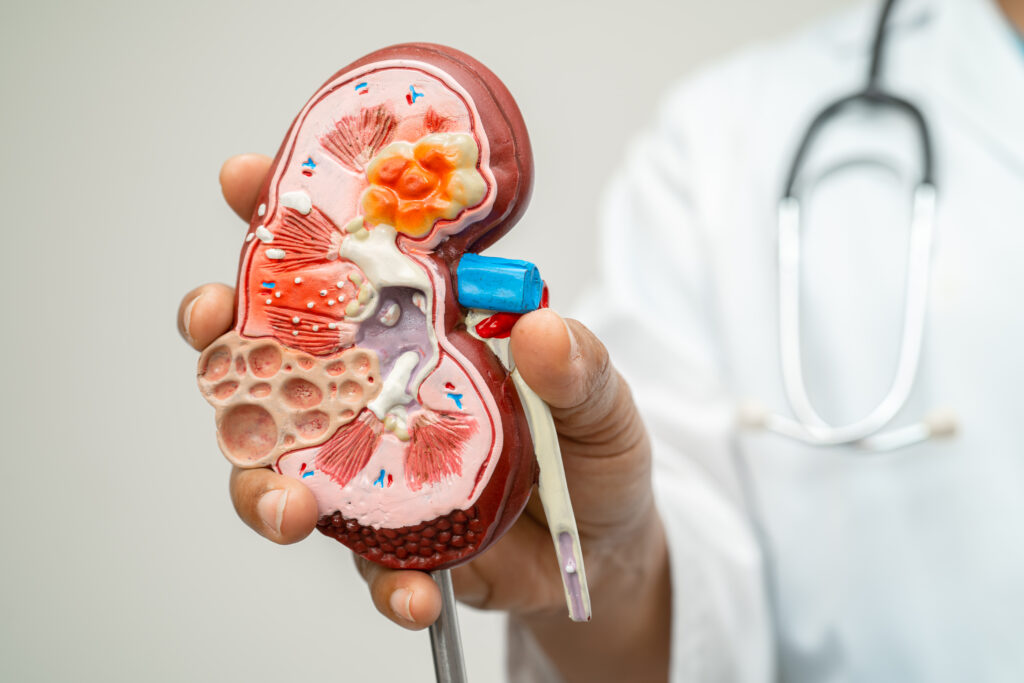
Chronic Kidney Disease (CKD) is a long-term condition characterized by the gradual loss of kidney function over months or years. The kidneys play a vital role in filtering waste products, balancing electrolytes, regulating blood pressure, and maintaining overall fluid balance in the body. When kidney function declines, harmful toxins and excess fluids accumulate, potentially leading to serious health complications. Early detection and timely management are essential to slow disease progression and prevent kidney failure.
Management of CKD involves identifying the underlying cause, which commonly includes diabetes, hypertension, genetic disorders, or autoimmune diseases. A nephrologist carefully evaluates laboratory reports, imaging studies, and clinical symptoms to determine the stage and severity of the disease. Treatment focuses on controlling blood sugar and blood pressure, prescribing kidney-protective medications, recommending dietary modifications, and encouraging lifestyle changes such as smoking cessation and weight management.
Patient education is a critical component of CKD care. Individuals are guided on proper nutrition, fluid intake, and medication adherence to preserve kidney function for as long as possible. Regular monitoring ensures early identification of complications such as anemia, bone disease, or electrolyte imbalance. With comprehensive and personalized care, patients with CKD can maintain a good quality of life and delay the need for advanced interventions.