
Kidney Transplant Surgeries Laparoscopic Surgeries
Kidney Transplant & Laparoscopic Surgeries
Kidney transplant surgery is a life-saving procedure for patients suffering from end-stage kidney disease. It involves replacing a failed kidney with a healthy donor kidney, either from a living or deceased donor. A successful kidney transplant significantly improves quality of life, eliminating the need for long-term dialysis and allowing patients to return to normal daily activities. Urologists and transplant surgeons work together to ensure thorough evaluation, safe surgery, and proper post-transplant care, including lifelong monitoring and medication management to prevent organ rejection.
Laparoscopic surgeries, also known as keyhole surgeries, represent a major advancement in modern urology. These procedures are performed using small incisions, a camera (laparoscope), and specialized instruments to treat a wide range of urological conditions. Compared to traditional open surgery, laparoscopic techniques offer several benefits, including reduced pain, minimal blood loss, shorter hospital stays, faster recovery, and better cosmetic results.
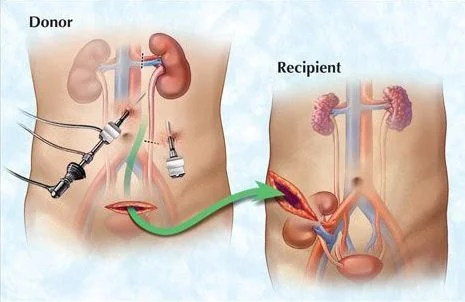
Common laparoscopic procedures in urology include kidney removal (nephrectomy), pyeloplasty (correction of urinary obstruction), and adrenal gland surgeries. These techniques are highly precise and are preferred for both benign and complex conditions.
Overall, kidney transplant and laparoscopic surgeries highlight the progress in urological care, providing safe, effective, and minimally invasive treatment options for patients with serious kidney and urinary tract disorders.